Breathing Light Above the Tree Line

Reading High-Altitude Light
Metering Snow, Rock, and Sky
Spot Meter Walkthrough
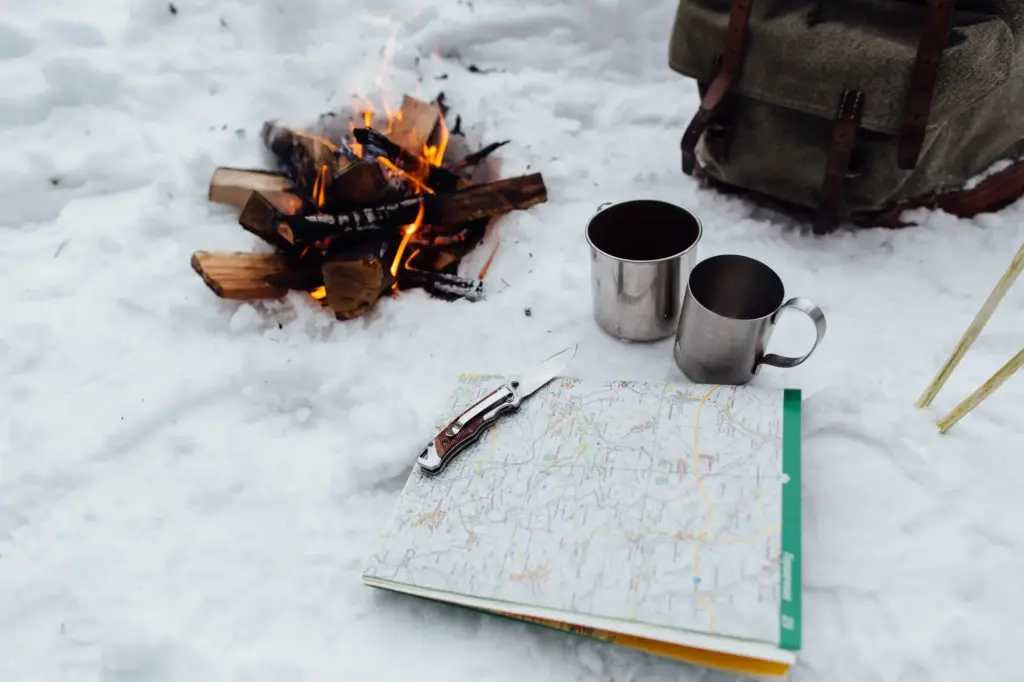
Sweep the scene: snow patch in sun, lichen-coated rock, deep shadow under a cornice, open sky beside a cloud. Assign placements—perhaps snow near Zone VII or VIII for negative, lower for slide—then reconcile differences with filters or composition. Take a confirming reading off your glove for sanity. When the arithmetic steadies your pulse, trust it. The shutter becomes a hinge between intention and the mountain’s precise, shimmering reply.
Incident Meter Reliability
An incident reading at subject level frees you from guesswork about reflectance, especially amid blinding drifts. Shield the dome from stray sparkle, face it toward the camera, and repeat in sun and shade. If you cannot reach the subject, meter nearby light with similar exposure and adjust for slope angle. Keep the meter warm inside your jacket so batteries remain faithful, then translate that steadiness into consistent, confident negatives.
When Electronics Freeze
Cold tugs at batteries and slows shutters. Carry spares close to skin, tape a chemical warmer to the meter pouch, and prefer mechanical bodies when forecasts turn stern. Practice exposures you can make without menus. When numbers falter, revert to Sunny 16 modified for snow and altitude glare. Imperfection sometimes gifts character; what matters is staying calm enough to recognize beauty even as fingers protest and wind redraws everything.
Composition Among Peaks
Mountain Logistics for Celluloid
Home Developing in a Cabin
Cold faucets haunt consistency, so tame them with an insulated water bath and a humble thermometer. Stand development forgives imprecision but alters acutance; traditional agitation keeps tempos familiar. Dry film away from woodstove dust, scan when fully relaxed, and mark frames needing dodging. The cabin’s creaks become part of the process, reminding you each negative is not a file but a hand-shaped, weather-informed conversation.
Color Lab Collaboration
When partnering with a lab, share your trail notes: snow glare, filters used, intentional overexposure, or push decisions in cold wind. Good technicians translate context into chemistry and scanning profiles, choosing Frontier or Noritsu looks to match your intention. Review contact sheets slowly, request gentle curve adjustments, and trust relationships built over seasons. Your alpine archive strengthens when expertise is shared rather than guarded like a secret summit.
Editing with Restraint
Let grain breathe, let shadows keep their honest mystery, and resist forcing contrast past what the emulsion offered. Calibrate monitors, compare to contact sheets, and pursue color balance that respects altitude’s peculiar blue without bleaching snow’s inner texture. When a print finally lands true, sign the margin softly. It should feel less corrected than remembered, like stepping again into that wind, knowing you earned every quiet highlight.
Stories and Community on the Ridge