Slow Journeys Across the Alps by Rail, Trail, and Paper Map
Join us as we explore Analog Travel in the Alps: Trains, Footpaths, and Paper Maps, celebrating connections that unfold at human speed. We will pair panoramic carriages with timeworn footpaths, learn to trust folded timetables and contour lines, and gather stories that ink journals and postcards instead of screens. Share your own rail-to-trail rituals and keep this conversation moving along the valley floor and over the passes.

Rails Threading Valleys and Glaciers

From rack railways clawing up glittering gradients to quiet locals leaning against wooden window frames, Alpine trains reward attention and patience. Printed timetables, station clocks, and tidy car-free platforms encourage unhurried transfers where a breath, a bakery stop, and a glance at the peaks become part of the journey. Punctuality feels like hospitality, and every curve writes another line across your notebook.

Packing a Reliable Day Kit

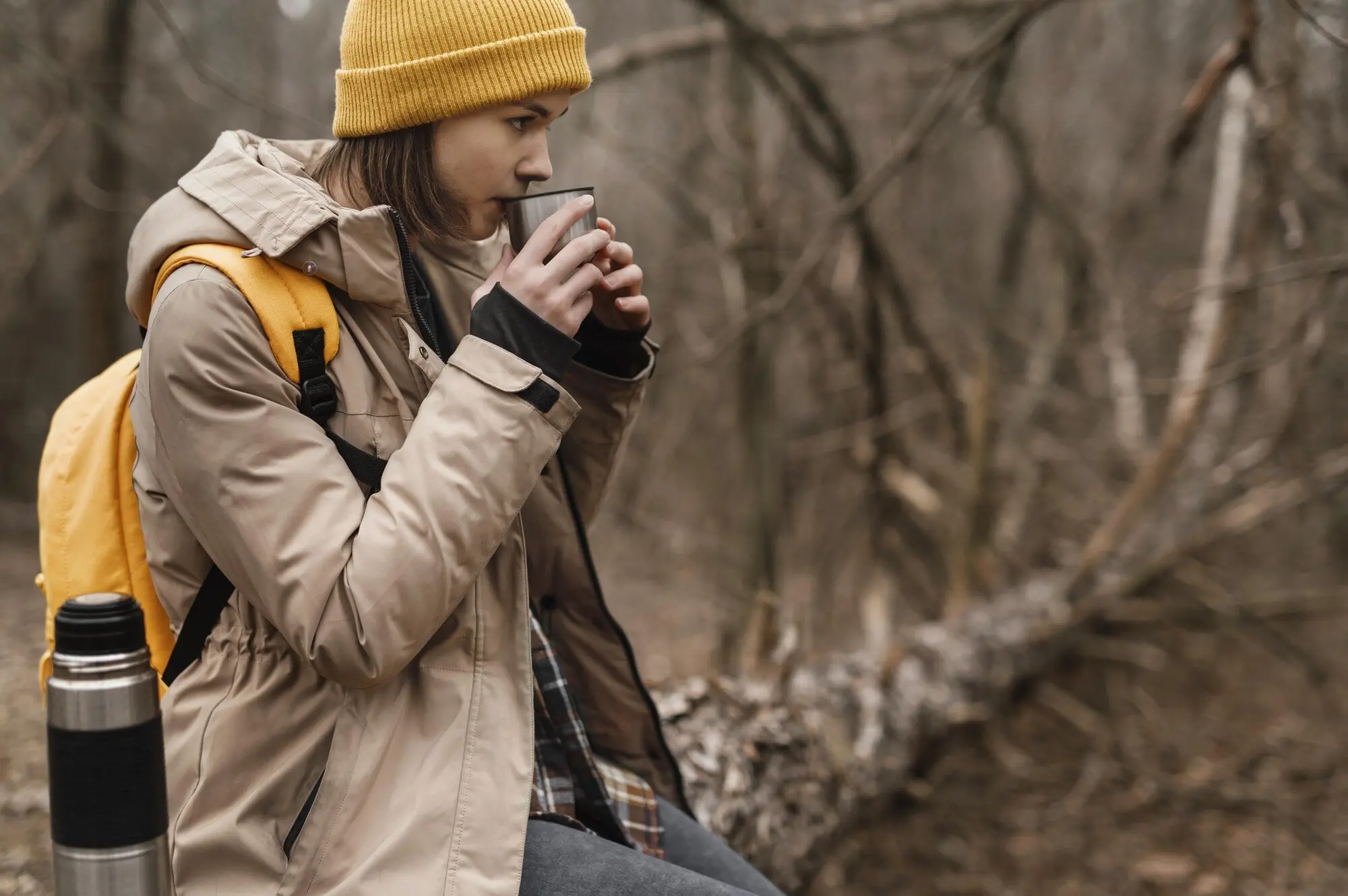
Keep your kit quiet and capable: paper map, baseplate compass, small whistle, wool hat, light gloves, and a weatherproof notebook holding emergency numbers and hut hours. Add layered clothing, a simple first-aid roll, and a fabric strap to secure the map in wind. Choose analog redundancy—two pencils, not one—so scribbles survive drizzle, and tuck a chocolate bar where encouragement is easy to reach.

Reading Signs, Skies, and Stream Sounds

Waymarks tell you where, clouds suggest when, and water warns how. Tall, mushrooming towers on humid afternoons signal rising electricity and the need to descend sooner. A stream turning milky hints at fresh meltwater, complicating fords later in the day. When signposts diverge, trust the clearer tread and confirm with contours; patience at a junction usually saves an hour of stubborn certainty uphill.

Paper Maps That Make Mountains Speak

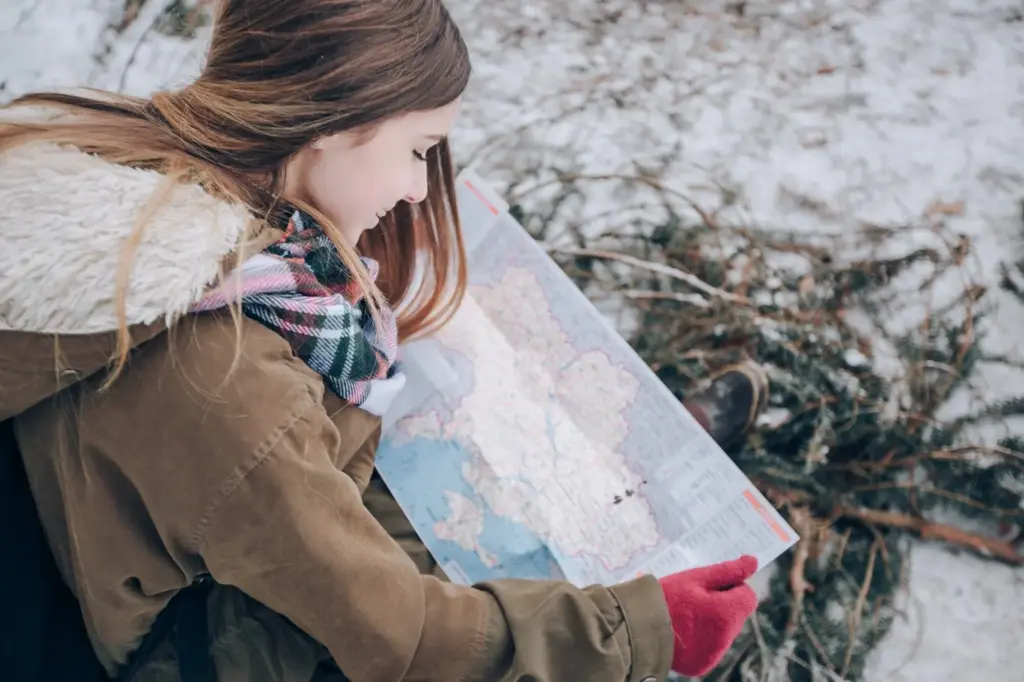
A 1:25,000 sheet gives voices to ridges, while 1:50,000 offers sweeping narratives along valleys and rail corridors. Contours murmur about slope angles, benches, and hidden water, and grid lines organize possibility. Align map north with the world, correct gently for declination, and let a pencil triangulate certainty. When phones sleep, your hands, eyes, and compass keep the journey honest and deeply present.

Huts, Base Villages, and Postbus Links
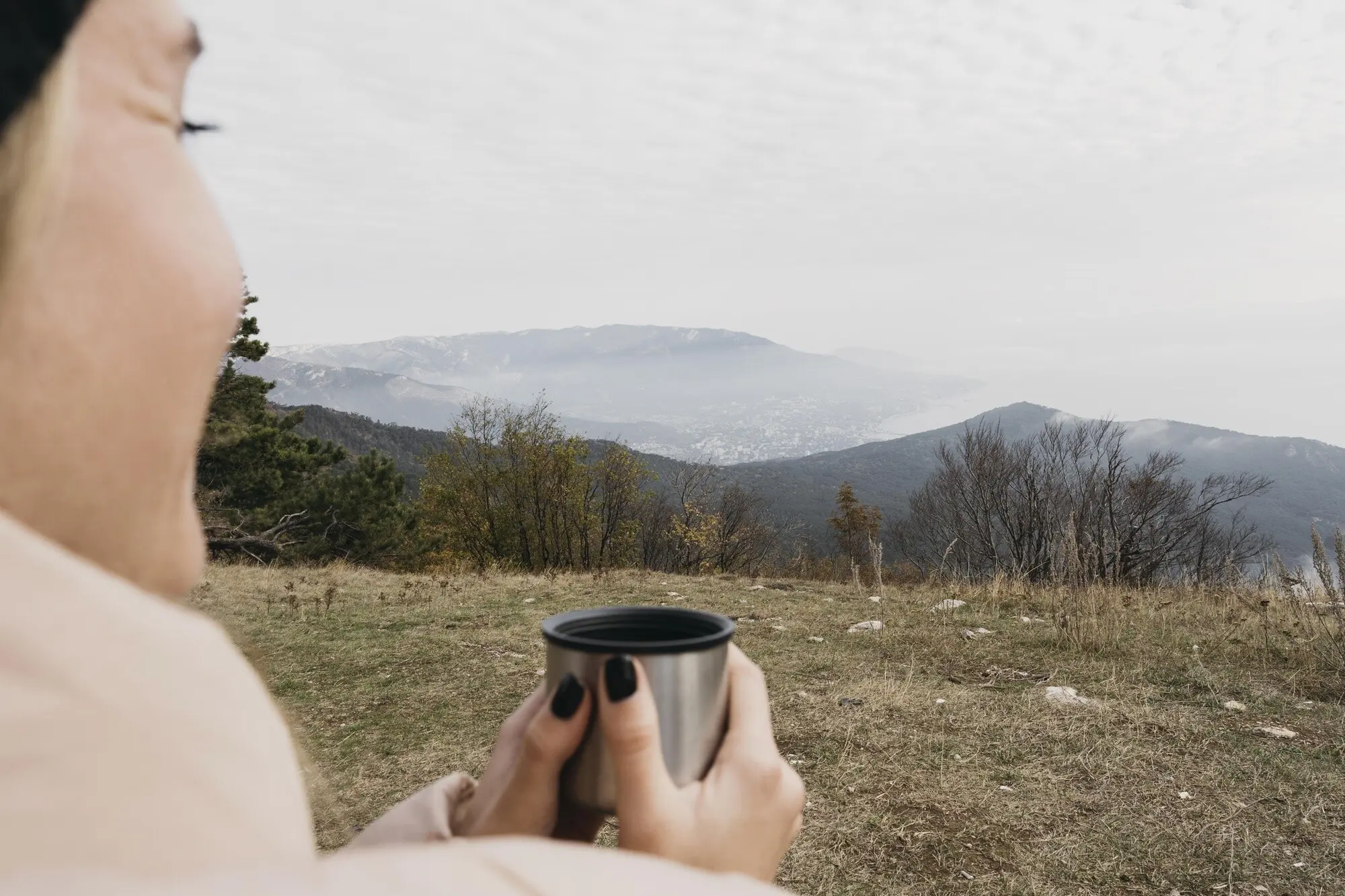
Car-free villages feel like invitations to exhale, where luggage hums behind electric carts and cobbles remember footsteps. Mountain huts welcome with warm soup, wool blankets, and communal tables that turn strangers into companions. Earplugs and gratitude weigh nothing, as does a small thank-you note in the hut book. Postbuses knit side valleys together, their cheerful horns announcing rides that end exactly where tomorrow’s trail begins.

Seasonal Tactics for Safer Journeys

Spring swells streams and disguises paths; summer trades snow for thunder that brews after lunch. Autumn offers gold larches, brisk mornings, and short daylight that tightens plans. Winter closures linger higher than you expect. Without push alerts, wisdom is observational: cloud shape, wind scent, river tone, and the feel of cold on fingers. Your itinerary flexes like a good knee on steep descent.

Thunder Before Noon, Sunshine After Storms

Start early, read the sky’s vocabulary, and respect towering cumulus that stack like fortresses by midday. Choose ridgelines with clear exits, avoid isolated summits, and descend to forests when rumbles roll. Shelters, chapels, and huts may offer brief refuge; wait, drink water, and reset ambitions. The best victory sometimes is a valley bakery reached dry, with time to underline tomorrow’s route in soft pencil.

Crossing Spring Snow and Autumn Ice

Lingering snow patches tilt into gullies; tread with small steps and plant poles like commas, not exclamation marks. Early frost kisses wooden steps, making humility the smartest traction. Detour for safety rather than drama. Note where north-facing slopes hoard chill long after sunlit meadows warm. Paper margin notes—dates, altitudes, and aspects—become hard-won wisdom that will quietly steer future boots away from avoidable slips.

Short Days, Long Memories

In October light, decide on generous turn-around times and plan coffee stops that double as time checks. Mark sunset on your map’s border and carry a small headlamp even when the morning feels sincere. Keep rail options visible across the valley, and prefer loops that end near multiple stops. Unhurried arrivals make room for evening journaling, postcard writing, and conversations that often outshine distant summits.

Culture, Language, and Simple Hospitality

Four languages shape greetings and menus, yet kindness translates effortlessly across all of them. Ticket clerks, wardens, bakers, and farmers become guides when curiosity is patient and respectful. Learn to pronounce place names, say thank you often, and accept advice freely. Collect stamps in hut books, not just selfies. Leave villages with crumbs of dialect in your pocket and stories that smell like fresh bread.

Begin With Bread and Coffee

At dawn, station kiosks and village bakeries open like small theaters. In German-speaking valleys, a crisp Gipfeli crackles; in Romandy, a pain au chocolat melts; in Ticino, a cornetto sits beside a macchiato. Ask the baker about today’s pass, circle their suggestion on your map, and promise to return for an afternoon slice. These rituals sweeten timetables and keep footsteps light between bells.

Phrases That Carry You Far

A simple Grüezi, Bonjour, Buongiorno, or Allegra can tilt an encounter toward generosity. Practice polite requests for water refills, directions, and tickets, then write phonetic hints on your map’s margin. Listening matters more than accent. When someone points with a whole hand instead of a finger, mirror the courtesy. Language here is a bridge you build one plank at a time, smiling as you cross.

Keep a Journal, Send a Postcard

Ink remembers better than batteries. Jot the smell of wet stone, the exact blue of a glacier, and the name of the farmer who waved you through. Sketch a ridge like a sleeping dragon and affix a stamp that travels farther than you today. Postcards invite replies, which become future itineraries. A journal grows into a map of gratitude, guiding you back without GPS.
Ravokentorinofarinilo
Privacy Overview

This website uses cookies so that we can provide you with the best user experience possible. Cookie information is stored in your browser and performs functions such as recognising you when you return to our website and helping our team to understand which sections of the website you find most interesting and useful.