Ringing Hours on the Ridge

Join us as we explore Mechanical Timekeeping in Mountain Villages: Living by Bells, Sundials, and Clocks, tracing how altitude, weather, and craftsmanship tuned entire communities to shared hours. From sunlight carving shadows on rough stone to iron teeth lifting hammers that carry sound across valleys, discover rituals that paced fields, kitchens, and workshops. Listen for stories of caretakers, blacksmiths, and shepherds whose days aligned with striking metal and measured light, and consider how these echoes still guide modern footsteps.

Ridges, Shadows, and Sound

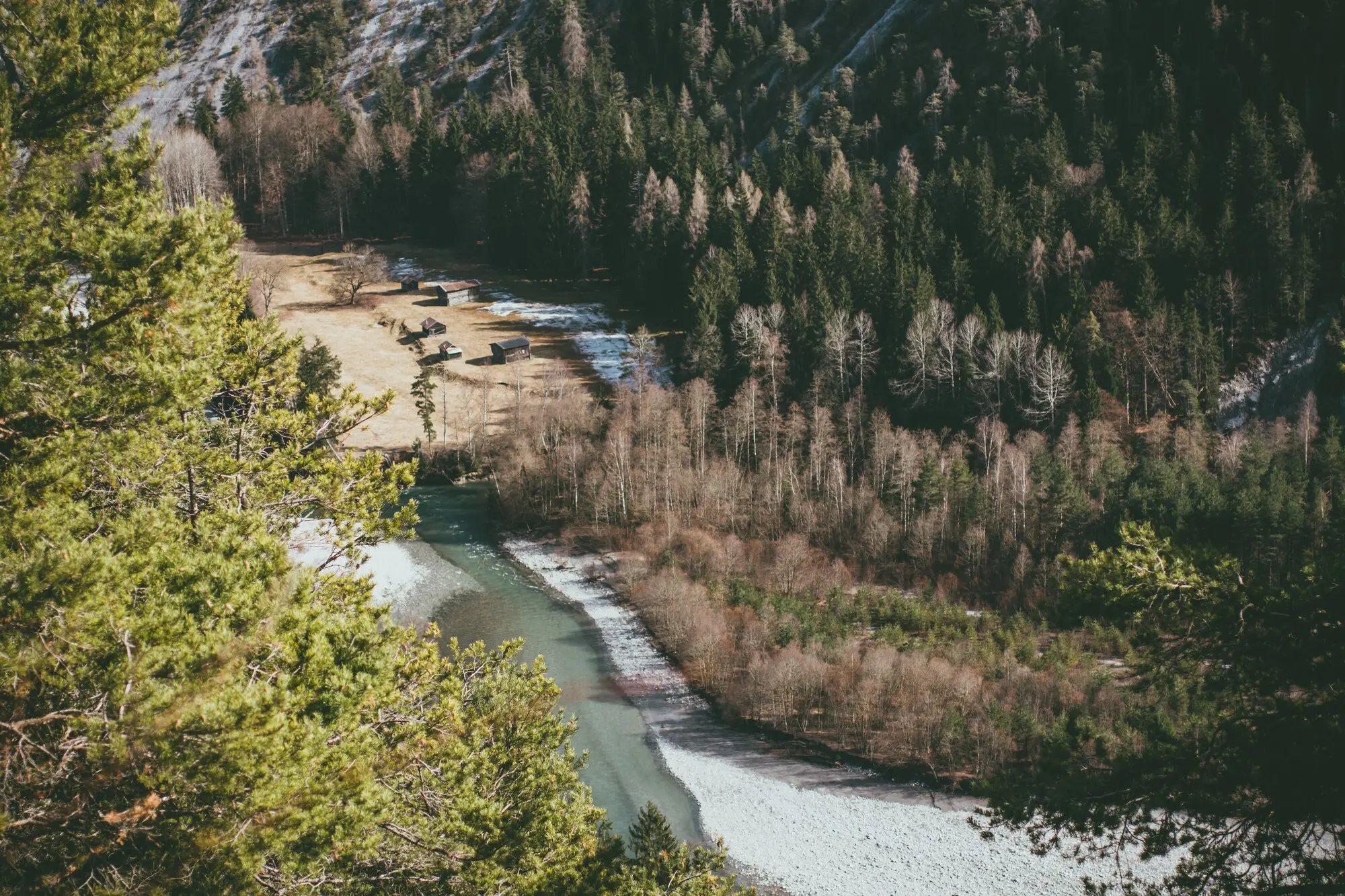
High slopes create their own calendars. The sun slides late over saddles, dawn spills unevenly across terraces, and echoes fold bells into layered harmonies no city can hold. Villagers learned to read granite like parchment, tracing hours by shade, refraction, and returning sound. Seasonal snow, wandering clouds, and cliff faces conspired with ingenuity, yielding a choreography where every strike and shadow united scattered homesteads in one shared pulse.

Makers of Hours

Behind every measured peal stood hands that filed, blued, polished, and listened. Village blacksmiths collaborated with roaming horologists, trading ironcraft for delicate escapements. Repairs became social events: parts carried in woolen pouches, coffee poured, debates over tooth counts resolved by touch and patience. These makers kept more than minutes; they safeguarded confidence, ensuring the next bell would sound like a promise fulfilled, not a hopeful guess.

Daily Life by the Strike

Meals, milking, school, and songs found their cues not from private watches but from air itself. The first bell tipped buckets toward barns; a noon shadow aimed knives for bread; evening peals folded tools into quiet. Even disputes borrowed minutes from the tower, ending when the quarter chimed. The village clock simplified choices: begin, pause, gather, forgive. One schedule, many lives, a practical gentleness binding all.

Morning Chores Begin Together

At the first peal, smoke lifted from chimneys and boots met frozen thresholds. Children counted strokes under blankets, then raced the second ring to the hearth. In barns, cows shifted at familiar resonance, calm as hands found pails. The sun’s edge cleared firs while the last echo lingered, and by its fade, kettles whistled. Mornings were less lonely when sound stitched separate yards into neighbors.

Midday Shadows and Market Voices

The surest lunch bell was a shadow flattening on the stone by the well. Stalls opened, knives flashed through cheese rinds, and news traveled faster than coins. Sundials stood like modest officials, confirming fair bargains and reminding sellers not to steal minutes from rest. When clouds interfered, the tower offered quarters, and laughter filled the square, timekeeping turning commerce humane by protecting appetite and patience alike.

Signals, Safety, and Celebration

Bells spoke many dialects: danger, gathering, mourning, harvest, wedding, and gratitude after a storm. Patterns announced avalanches, called search parties, and marked safe returns. This shared code, learned young and tested under pressure, transformed metal into mutual care. Timekeeping, therefore, doubled as guardianship, aligning minutes with meaning. When joy arrived, peals rolled like sunrise, welcoming every roof equally, reminding hearts that community beats stronger than solitude.

Devices: From Stone to Springs

Reading Horizontal and Vertical Dials

Horizontal dials near wells served passerby, while vertical dials on chapels declared hours to the square. Craftsmen adjusted gnomon angles and hour lines for seasonal declination, adding mottos that nudged humility. Villagers learned to correct mentally for daylight length, recognizing when shadows lied after storms. The interplay taught literacy in light, a rural astronomy stitched into errands, gossip, and the quiet satisfaction of accurate bread breaking.

Verge Escapements and Tower Heartbeats
Early turret clocks breathed through verge escapements, their pallets chewing rhythm from heavy weights. Wooden frames creaked, but iron teeth kept manners with careful filing. Pendulums arrived, gentling the beat and improving trust. Caretakers trimmed swings using matchbook shims and intuition, recording drift beside saints’ days. Standing in the belfry at dusk, one felt seconds like warm animals, companionable, steady, and ready to pull the hammer.

Shepherd’s Watch and the Pocket Revolution

When portable watches arrived, they did not dethrone the tower; they negotiated. Shepherds checked flocks against quarter strikes, aligning grazing with clouds, not just numerals. Mainsprings snapped in cold, teaching pockets to share body heat. A watch set by Sunday’s noon bell earned credibility for the week. The duet between personal and public time deepened responsibility, empowering individuals while reaffirming the valley’s consensual schedule.

Synchronization Arrives Gently

When radio timekeepers reached the villages, caretakers adjusted hands with relief, not surrender. Accuracy stopped depending on clear skies or luck with oil viscosity. Bells aligned with broadcasts, then resumed their personality—slight delays in cold, livelier in summer. This partnership raised trust during emergencies and festivals alike. Precision, finally, felt like hospitality: welcoming visitors, guiding commuters, and helping farmers ship milk exactly when trucks appeared.

Restoration, Pride, and Shared Custody

Restorers negotiated funding, scaffolding, and memories. They cleaned soot from numerals, recast cracked bells, and documented scrimshawed initials hidden inside frames. Villagers volunteered weekends, establishing custodial calendars so winding never lapsed. Schoolchildren wrote letters to future keepers, taping them near the pendulum. Each fix became a public vow: we will not outsource our hours entirely. The tower remained a neighbor, not a monument, because everyone held a key.

Your Turn to Listen and Contribute

Share a story of a bell you remember, a shadow you trusted, or a watch that guided you through fog. Tell us which sound means home. Comment below, propose a visit, or subscribe for field recordings, diagrams, and interviews with caretakers. Your memory can rescue a method from forgetting, helping the next generation hear how time becomes kindness when entire valleys keep it together.

Ravokentorinofarinilo
Privacy Overview

This website uses cookies so that we can provide you with the best user experience possible. Cookie information is stored in your browser and performs functions such as recognising you when you return to our website and helping our team to understand which sections of the website you find most interesting and useful.