
Alpine Foraging and Herbal Remedies: A Hands-On Journey

Join us as we explore foraging and herbal remedies of the Alps with practical, respectful methods grounded in lived trail experience. We will read shifting mountain habitats, identify plant allies safely, harvest with care, and craft simple remedies and nourishing foods that honor local traditions, modern research, and your own senses. Expect seasonal guidance, field-tested recipes, and stories from ridge and valley, inviting you to learn, share, and grow with a community that values curiosity, humility, and stewardship.

Reading the Mountain Landscape

Before gathering a single leaf, learn to interpret altitude, aspect, wind corridors, and soil moisture like a fluent language. Alpine plants reveal themselves through patterns: bright blooms anchored in scree, resinous needles catching sun, lush stream edges whispering of roots and minerals. Understanding these signals prevents wasted effort, improves safety, and encourages deeper respect, helping you arrive at the right place, at the right time, with the right intentions and gentle hands.

Where Water Whispers

Follow the threads of meltwater where meadowsweet hums with bees, water mint cools the air, and valerian roots anchor into damp edges. Pay attention to flood marks, grazing pressure, and upstream contamination. Carry a small filter, avoid muddy banks, and take only what you know will regrow vigorously. Bring a notebook to map reliable seeps, noting bloom timing and insect activity, so you can return with confidence when conditions align again.

Sunny Scree and Singing Wind

On warm, stony slopes, dwarfed thyme and hardy savory tuck into crevices, while juniper grips the hillside with slow, patient strength. Plants here concentrate aromatic oils, yet endure harsh stress, so harvest lightly and never uproot. Watch for reptile sunning spots and fragile lichen carpets. Kneel softly, use compact scissors, and let your shadow reveal textures that eyes might miss. These exposed places reward humility, restraint, good boots, and steady breathing.

Shaded Forest Edges and Needle Light

Between trunks of spruce and pine, spring tips glow chartreuse, bilberries thrive under dappled shade, and mushrooms mark rich, living soil. Recognize the soft bounce of duff and the scent of cool resin after rain. Collect only fresh, undamaged growth, leaving scattered clusters for birds and insects. Respect nesting zones and quiet hours. Spruce tips make bright syrups and teas, but remember trees need their new growth for breathing, shelter, and patient expansion.

Safety, Ethics, and Law Above the Tree Line

Lookalikes You Must Know

Study monkshood’s helmeted blooms, veratrum’s pleated leaves, and autumn crocus’s deceptive timing. These elegant plants can be deadly, and beginners sometimes confuse them with friendly neighbors. Cross-check stem structure, leaf arrangement, habitat, and season. Use gloves when uncertainty remains, and teach children the habit of asking before touching. Good mentors insist on three solid identifiers. Photograph details from multiple angles, compare notes later, and accept that walking away is a powerful form of wisdom.

Harvest with a Future in Mind

Study monkshood’s helmeted blooms, veratrum’s pleated leaves, and autumn crocus’s deceptive timing. These elegant plants can be deadly, and beginners sometimes confuse them with friendly neighbors. Cross-check stem structure, leaf arrangement, habitat, and season. Use gloves when uncertainty remains, and teach children the habit of asking before touching. Good mentors insist on three solid identifiers. Photograph details from multiple angles, compare notes later, and accept that walking away is a powerful form of wisdom.

Health Precautions and Interactions

Study monkshood’s helmeted blooms, veratrum’s pleated leaves, and autumn crocus’s deceptive timing. These elegant plants can be deadly, and beginners sometimes confuse them with friendly neighbors. Cross-check stem structure, leaf arrangement, habitat, and season. Use gloves when uncertainty remains, and teach children the habit of asking before touching. Good mentors insist on three solid identifiers. Photograph details from multiple angles, compare notes later, and accept that walking away is a powerful form of wisdom.

Seasons of Abundance
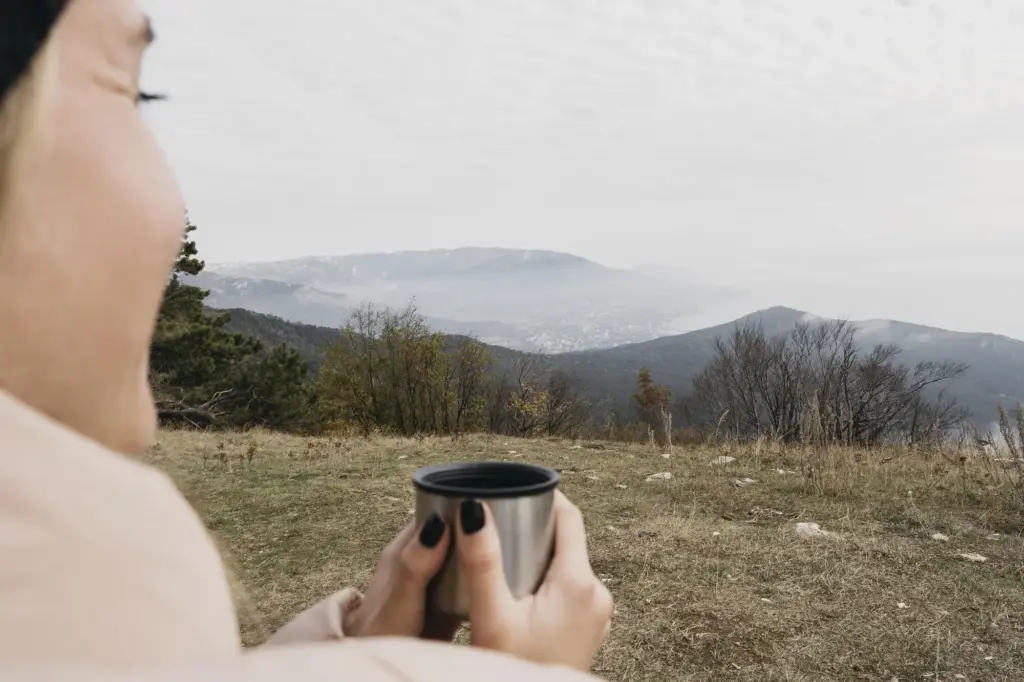
The Alps move through swift transformations: valley floors wake early, ridges linger in snow, and passes bloom briefly under thunderheads. Spring brings spruce tips, nettles, and plantain; high summer unfurls yarrow, thyme, and St. John’s wort; autumn gifts juniper, bilberries, and rosehips. Winter still offers barks and resins if you listen carefully. Mark calendars, trace phenology across elevations, and let patience guide your basket so timing becomes your most trusted companion.

Transformations in the Field and Kitchen
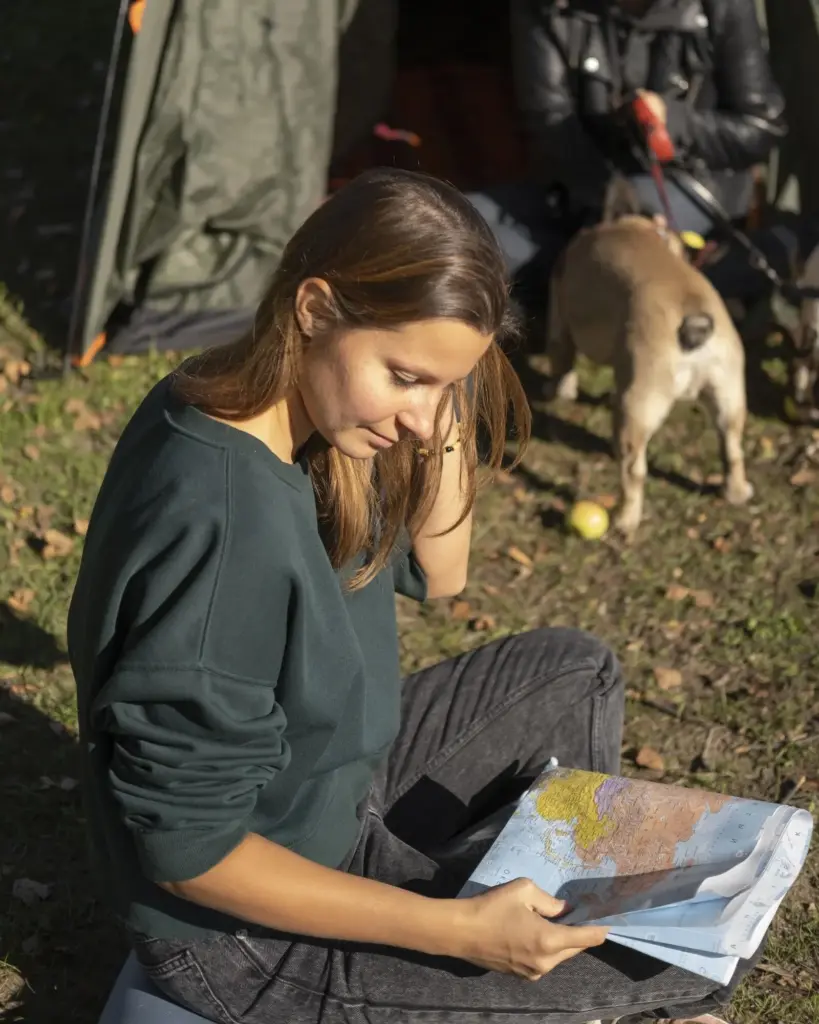
Knowing a plant’s name is only the beginning; transformation teaches relationship. Teas, decoctions, tinctures, oxymels, infused oils, and salves each honor different chemistries and intentions. Choose water, alcohol, vinegar, or honey according to desired constituents and shelf life. Record proportions, temperatures, and timings. Label clearly with species, location, and cautions. Start small, taste thoughtfully, and invite feedback from trusted friends. This is craftsmanship built on patience, sensory memory, and humble repetition.

Spruce Tip Syrup and Forest Lemonade

Layer fresh tips with sugar or honey, let time coax luminous syrup, then splash into chilled water with lemon. The taste is bright, resin-kissed, and full of alpine light. Strain carefully, label bottles, and store cool. Try drizzling on yogurt or pancakes after long hikes. Offer a non-alcoholic toast at camp, gathering friends in a circle. This is celebration in a cup, a reminder that simple ingredients can carry entire landscapes home.

Nettle and Alpine Garlic Pesto

Blanch young nettles to tame sting, then blend with crushed nuts or seeds, alpine garlic leaves, olive oil, and a squeeze of lemon. Salt softly to let minerals sing. Spread on bread, swirl through soups, or fold into warm grains. Wear gloves during harvest, and keep portions friendly for first-timers. Share small jars with neighbors as green gratitude. Notice how strength arrives subtly, a steady warmth traveling from tongue to shoulders and quietly smiling bones.

Juniper, Thyme, and Savory on the Fire

Crush juniper gently to wake aroma, mingle with thyme and savory, and toss over mushrooms or beans sizzling in a light pan. Reduce salt, let herbs lead, and breathe steam that clears heavy thoughts. Keep portions modest for sensitive guests and pregnant friends. Turn off flame early; residual heat deepens flavor without bitterness. Eat slowly, watch fog braid the ridge, and write down what you noticed—because tonight’s weather will never repeat exactly again.

Stories, Field Notes, and Shared Learning

Knowledge grows in community. A Tyrolean grandmother might show a better way to pinch yarrow; a young hiker might teach new mapping tools; a storm might insist you rest and listen. Write what actually happened: smells, sounds, doubts, small victories. Photograph respectfully, blur sensitive landmarks, and keep elders’ secrets when asked. Invite questions and corrections. Subscribe for seasonal reminders, reply with your experiences, and help this living archive remain generous, accurate, and beautifully imperfect.
Ravokentorinofarinilo
Privacy Overview

This website uses cookies so that we can provide you with the best user experience possible. Cookie information is stored in your browser and performs functions such as recognising you when you return to our website and helping our team to understand which sections of the website you find most interesting and useful.